











Manage Tableau Cloud at Any Scale: Platform Data API
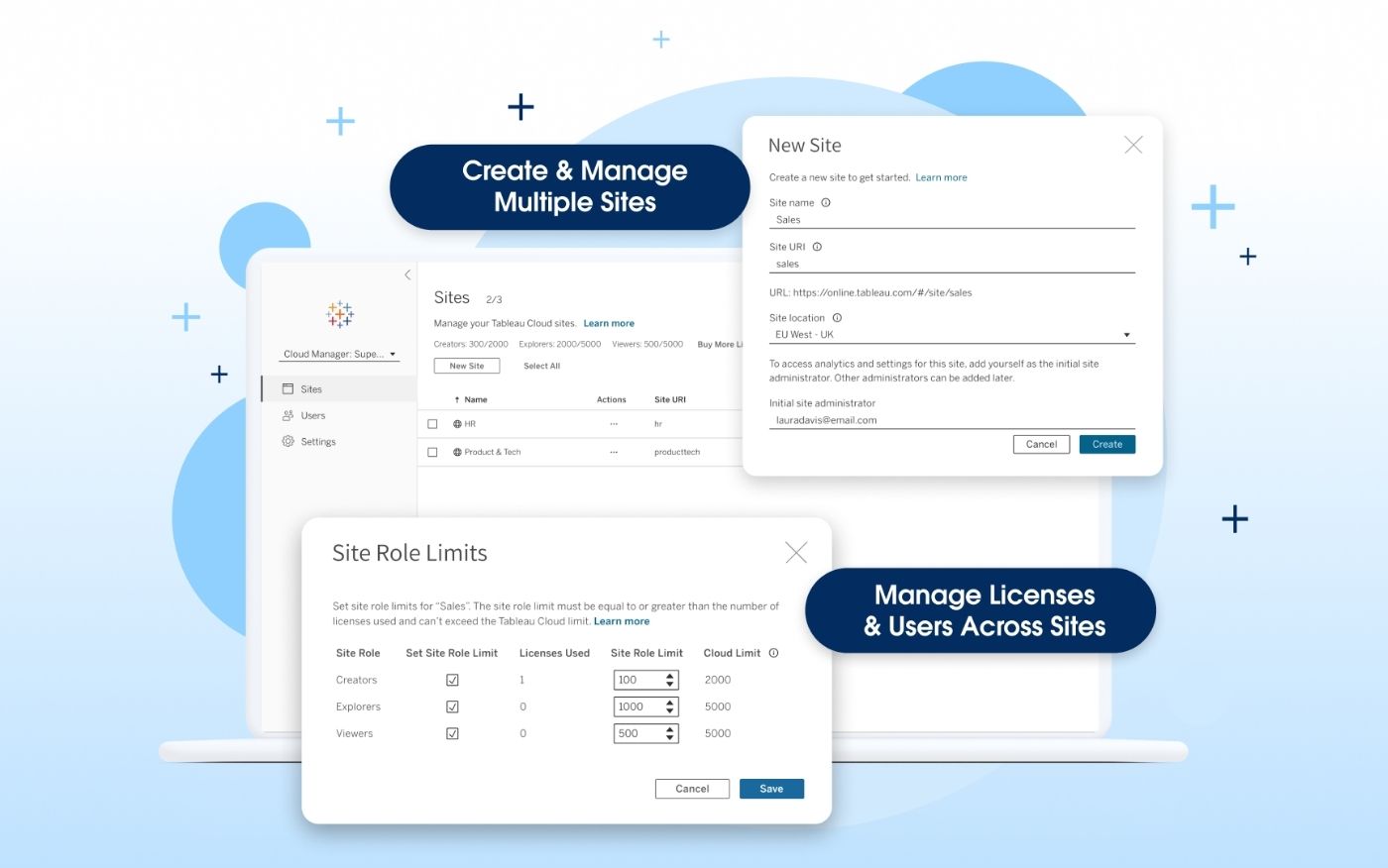
Tableau serves a wide spectrum of organizations — from small teams taking their first steps in self-service analytics to enterprises deploying the platform across thousands of users. As adoption grows, so does complexity. Content proliferates, more dashboards are rendered, more databases are queried, and permission structures become increasingly intricate.
Beyond a certain threshold, managing this environment reactively is no longer viable. Without a structured, proactive approach, what begins as a value-generating platform can quietly evolve into an ungoverned liability.
Three Core Responsibilities of a Platform Administrator
Years of experience in Tableau administration consistently point to three priorities that supersede all others:
Security. Protecting the platform from both external threats and internal risks, while maintaining full compliance with regulatory requirements.
Functionality. Identifying operational disruptions and performance degradations before they affect end users.
Value. Ensuring users extract maximum benefit from the platform and that resources are used efficiently across the organization.
Delivering on all three — simultaneously and consistently — becomes exponentially more difficult as deployments scale across time zones, geographies, and multiple sites.
Traditional Methods Break Down at Scale
Approaches that work well at smaller scales — working with users one-on-one, manually reviewing reports, navigating pages individually — cease to be sustainable beyond a certain size.
When deployments reach thousands of users, what administrators truly need is observability: structured access to data about what is actually happening inside the platform, at scale — data that can feed into SIEM tools, data warehouses, and automated workflows.
Tableau Cloud's Activity Log feature has addressed part of this need for some time. With Tableau 2025.3, a substantially more comprehensive capability has been introduced: the Platform Data API.
What Is the Platform Data API?
Accessible via new endpoints in Tableau Cloud Manager (TCM), the Platform Data API provides a centralized, unified way to retrieve event log data across an entire Tableau Cloud deployment.
Administrators can now find answers to questions such as:
Who logged into TCM and created a new site?
What permission changes were made to a specific workbook?
How are extract refreshes performing — including those running on Bridge?
Unlike many integrations that rely on a "push" model tied to specific vendors, the Platform Data API follows a "pull" architecture. This means data can be stored, processed, and analyzed in the systems an organization already uses — whether that's an enterprise SIEM solution, a data warehouse, or a custom analytics infrastructure. This platform-agnostic design significantly broadens the range of organizations that can benefit from this observability data.
Who Can Access It?
The Platform Data API is available to all Tableau Cloud customers, regardless of edition. For the first time, every customer has access to the same foundational observability data through a single API.
For organizations on Tableau Enterprise and Tableau+ editions with strict monitoring and resiliency requirements, additional capabilities are included: near real-time data streams and a full year of data retention — ensuring both rapid response to immediate issues and the ability to conduct in-depth historical analysis when needed.
What Comes Next: The Future of Enterprise Observability
The Platform Data API marks the beginning of a broader journey. Two significant developments are on the roadmap:
Entity Snapshots: Event data tells a story about what happened — but not about the current state of things. Snapshots of deployment entities such as workbooks, data sources, users, and groups will address questions like: "Which workbooks haven't been accessed in the last six months?" and "Which users are no longer active?"
Accelerated Admin Insights: The Admin Insights feature will be rebuilt on top of this new, more efficient data pipeline. The result will be faster data refresh cycles and more timely information for administrators managing day-to-day operations.
Other Trend Reports
Teams and Agents Build Together with Slack Code
Slack Code takes software development out of private tabs and turns it into a collaborative process in the open with the team. 70% of code channels are opened and closed within a single day.

Dreamforce 2026 Preparation Guide
Everything You Need to Know Before Dreamforce 2026, taking place in San Francisco from September 15–17. Sessions, demo areas, registration details, and more.

When AI Agents Start Working Together, Who Ensures Trust?
How can companies trust AI agents that negotiate, decide, and transact? Identity, reputation, accountability, and human oversight are key.