










State of Sales Report: Sales Teams Enter 2026 with AI
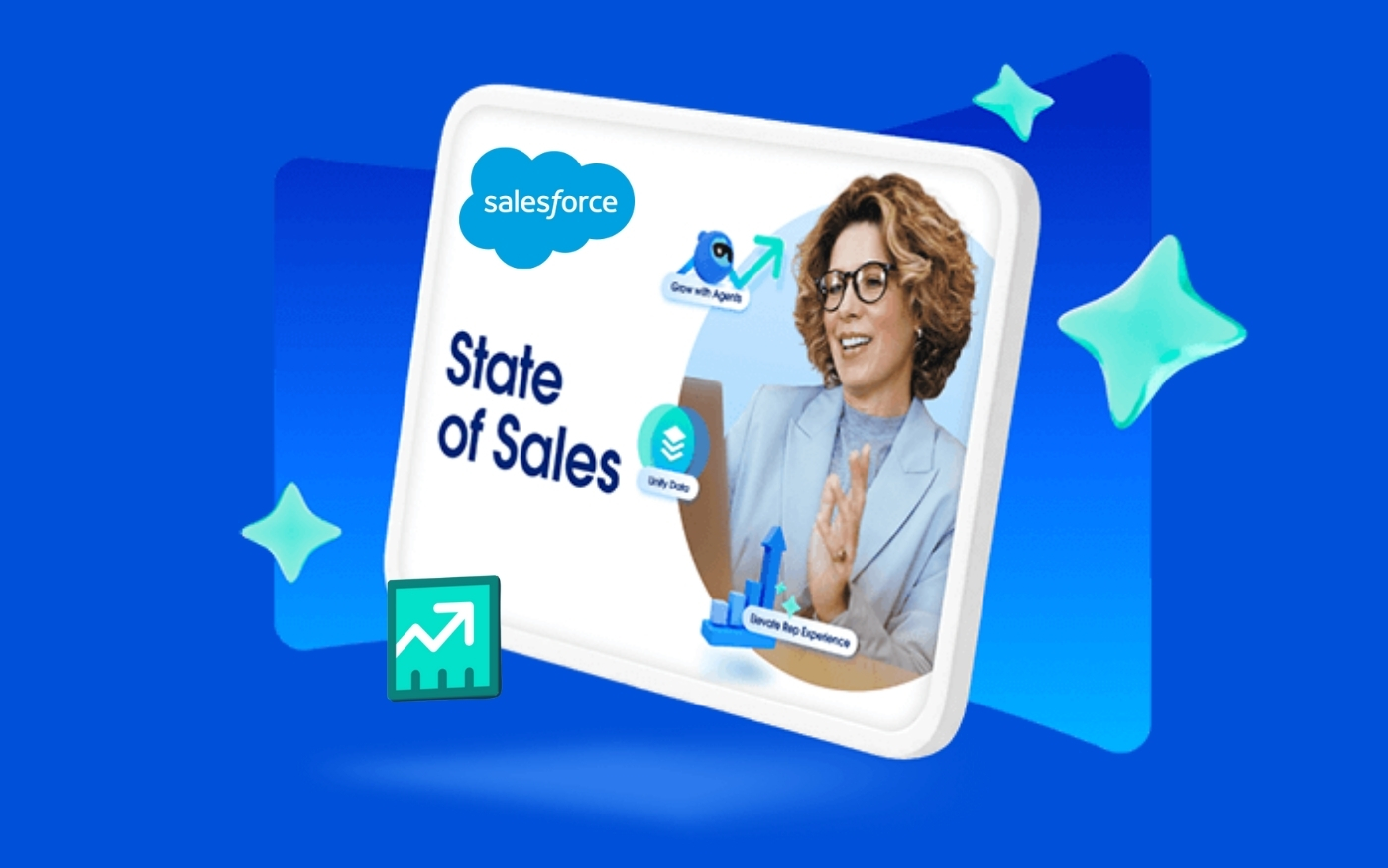
The State of Sales (7th Edition) report published by Salesforce reveals that as we enter 2026, sales teams are placing AI agents at the center of their growth strategies. Based on insights from more than 4,000 sales professionals, the research shows that in the face of increasing quota pressure, more complex customer expectations, and limited operational capacity, sales organizations have a clear response: not more manual effort, but smarter systems. AI and autonomous agents are no longer experimental tools; they are positioned as fundamental levers of revenue strategy, efficiency, and scalable growth.
Key Takeaways for 2026
The highlights from the research are quite clear:
Sales teams see AI and AI agents as the most important tactic to drive growth in 2026.
Operational burden and administrative work impact early-career sales professionals more heavily.
High-performing sales teams are 1.7x ahead of struggling teams in using AI agents.
AI agents are expected to reduce research time by 34% and content creation by 36%.
This picture shows that AI is no longer an experimental technology but has become the operational backbone of sales organizations. Its meaning is clear: nearly two hours per week are lost to low-value tasks such as manual data entry.
Why Are Sales Teams Turning to AI Agents?
Given this landscape, the preference of sales teams is not surprising. AI — especially AI agents — provides additional capacity to sales organizations. According to the research:
87% of sales organizations are already using AI in areas such as prospecting, forecasting, lead scoring, or drafting emails.
89% of sales professionals using AI say their customer understanding has deepened.
87% state that AI has made their work less stressful.
AI agents, however, represent the next step in this transformation. Today, 54% of sales professionals have used AI agents. By 2027, that number is expected to reach nearly 9 out of 10 sales professionals.
When fully deployed, AI agents are projected to:
Reduce prospect research time by 34%.
Reduce content and email production time by 36%.
This means meaningful time regained during the day for sales teams.
The Common Trait of High-Performing Sales Teams
One of the most striking findings of the research is the direct relationship between AI agents and performance. Sales teams that have significantly increased their year-over-year revenue clearly differentiate themselves in their use of AI agents.
High-performing sales professionals are:
1.7x more willing to use AI agents for prospecting compared to lower-performing teams.
This difference becomes especially evident in prospecting. Nearly half of sales professionals describe cold calling as the hardest and least enjoyable part of their job. Yet building a strong pipeline requires more outreach and more engagement.
The data clearly highlights this contradiction:
48% of sales professionals say they do not have enough bandwidth for sufficient cold outreach.
To close this gap, 55% are already using AI in prospecting, while 38% plan to use it in the near future.
92% of sales professionals using AI agents state that it directly contributes to their prospecting performance.
The Salesforce Example: From Lost Leads to Real Opportunities
The examples shared about how AI agents are positioned at Salesforce clearly demonstrate the scalability of this transformation. According to Adam Alfano, EVP of Sales at Salesforce, leads that previously went untouched are now being systematically evaluated through AI agents. In just four months:
130,000 leads were contacted.
3,200 opportunities were created.
The expectation for the following year is that these numbers will increase tenfold. This approach shows that AI agents generate not only efficiency but also direct growth impact.
All of these findings signal a clear shift in the sales world. AI and AI agents are not positioned to replace sales professionals; they are designed to relieve them of low-value tasks and enable them to focus on value creation.
In Adam Alfano’s words:
“Our goal is to allow our teams to focus on what truly moves sales forward: building relationships and growing success. AI agents make this possible.”
As we enter 2026, the message for sales organizations is clear:
Growth will not come from more effort, but from smarter, more scalable, and more human-centered systems.
Other Trend Reports
Teams and Agents Build Together with Slack Code
Slack Code takes software development out of private tabs and turns it into a collaborative process in the open with the team. 70% of code channels are opened and closed within a single day.

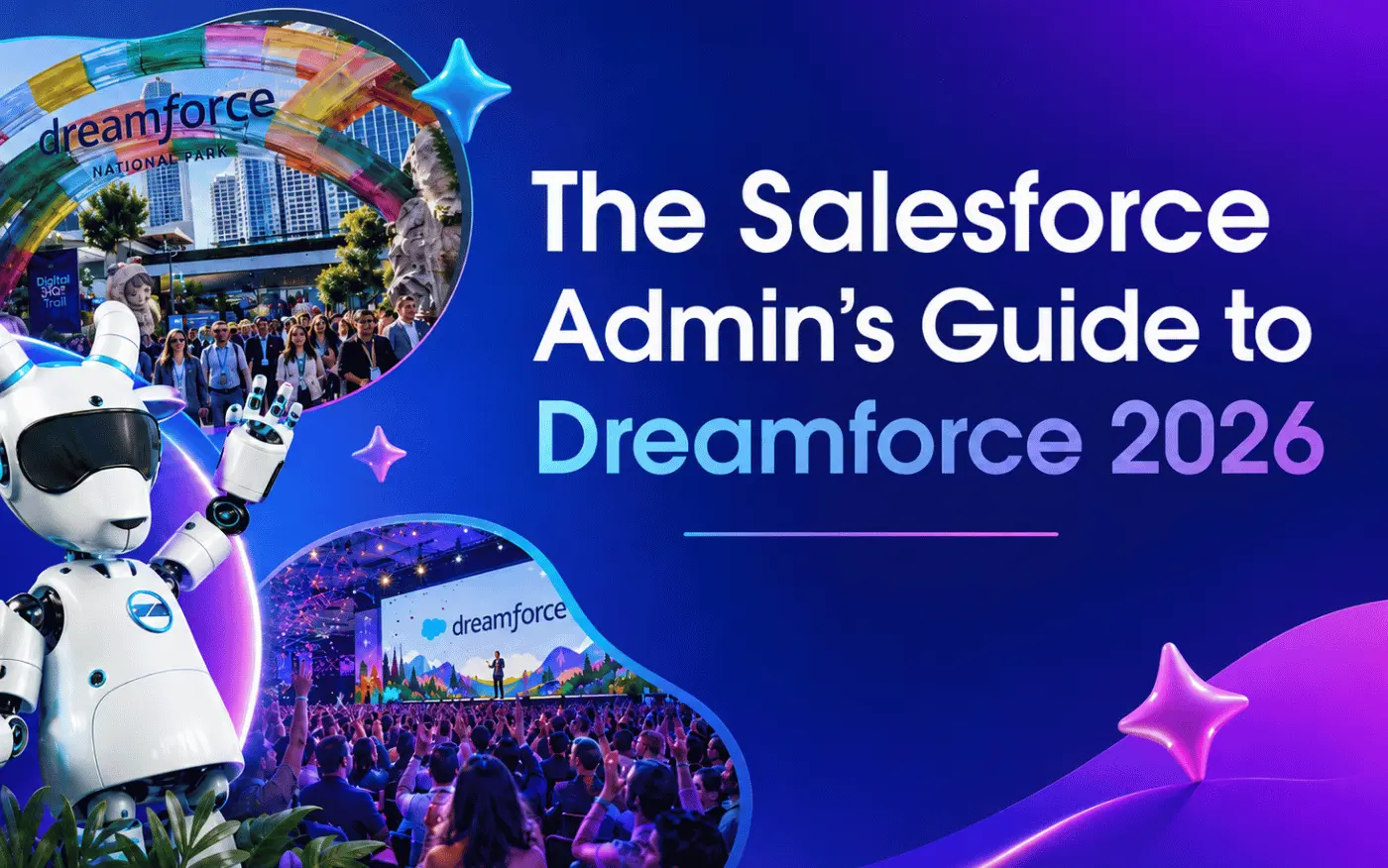
Dreamforce 2026 Preparation Guide
Everything You Need to Know Before Dreamforce 2026, taking place in San Francisco from September 15–17. Sessions, demo areas, registration details, and more.

When AI Agents Start Working Together, Who Ensures Trust?
How can companies trust AI agents that negotiate, decide, and transact? Identity, reputation, accountability, and human oversight are key.