










2026 Agentic Trends: Six Shifts Redefining IT Strategy
Agentic AI is no longer experimental. It is entering large-scale deployment and reshaping IT budgets, architectures, governance models, and performance measurement.
IDC: Agentic AI will account for $1.3 trillion of IT spending by 2029.
Gartner: By 2026, 40% of applications will feature task-specific AI agents.
Capgemini: Production-level implementations are expected to increase by 48% within 12 months.
The age of the agentic enterprise has begun.
TREND 01:From Static Workflows to Dynamic Agent Networks
Agentic AI is transforming automation from deterministic, rule-based workflows into dynamic networks of collaborating agents.
Gartner: By 2026, 30% of enterprises will automate more than half of their network activities (up from under 10% in mid-2023).
Fewer than 20% of organizations have mastered measuring automation impact.
MuleSoft: 24% of organizations are still developing automation strategies.
10% have only just begun planning.
Ambition is high. Measurement maturity is not. Without orchestration and unified IT estates, automation initiatives risk falling short of measurable business impact.
TREND 02
Multi-Agent Ecosystems Demand Governance
AI agents create exponential value when they collaborate. Multi-agent systems can solve problems too complex for isolated, task-specific agents.
Deloitte: Multi-agent AI systems significantly enhance output quality and enable more complex work than single agents.
McKinsey: A centralized team with strong governance is required to avoid uncontrolled agent sprawl.
As agents multiply:
Complexity increases
Visibility decreases
Security risk escalates
Agent governance is becoming as critical as API governance once was.
TREND 03
ROI Requires Clear Agent Outcomes and New KPIs
AI is moving from experimentation to direct accountability for revenue.
IDC: Every $1 spent on AI will generate $4.60 for the global economy.
McKinsey: The biggest bottom-line impact comes from tracking well-defined KPIs for Gen AI solutions.
Demonstrating ROI requires:
Clearly defined agent outcomes
KPIs tied to autonomous system performance
Balanced automation embedded within SDLCs
TREND 04
Agentic Actionability Is Driving the Next Wave of API Management
APIs are becoming the backbone of the agentic enterprise.
Fortune Business Insights: The API market will grow from $6.89B in 2025 to $32.77B by 2032.
MuleSoft: APIs and API-related implementations now account for 40% of company revenue.
APIs bridge deterministic systems and non-deterministic agent ecosystems. They transform AI from conversational assistants into action-driven actors. API-led connectivity is the integration and governance layer enabling agentic scale.
TREND 05
API Security and Compliance Intensify as Agents Proliferate
As agents increase, API exposure increases.
Salesforce: 79% of IT security leaders believe their security practices must transform as AI use increases.
KPMG: APIs have become major cyberattack targets due to their interconnectivity role.
Risks include:
API manipulation
Agent poisoning
Automated data exfiltration
Zero-trust architectures, API gateways, and centralized governance frameworks are becoming foundational.
API governance will drive agent governance.
TREND 06
From Prompt to Prototype: Agents Accelerate Composable Architectures
Composable architectures are converging with agentic AI to dramatically accelerate development.
MuleSoft: Developers spend 39% of their time creating custom integrations.
Precedence Research: The composable applications market will grow from $6.44B in 2024 to $31.5B by 2034.
Agentic AI enables:
Rapid assembly of modular components
Instant prototype creation
Reduced AI token consumption
Faster time-to-value
But this requires:
Strong data foundations
Interoperable AI frameworks
Well-designed skill interfaces connecting agents to APIs and workflows
Composable + Agentic = Accelerated innovation at scale.
Other Trend Reports
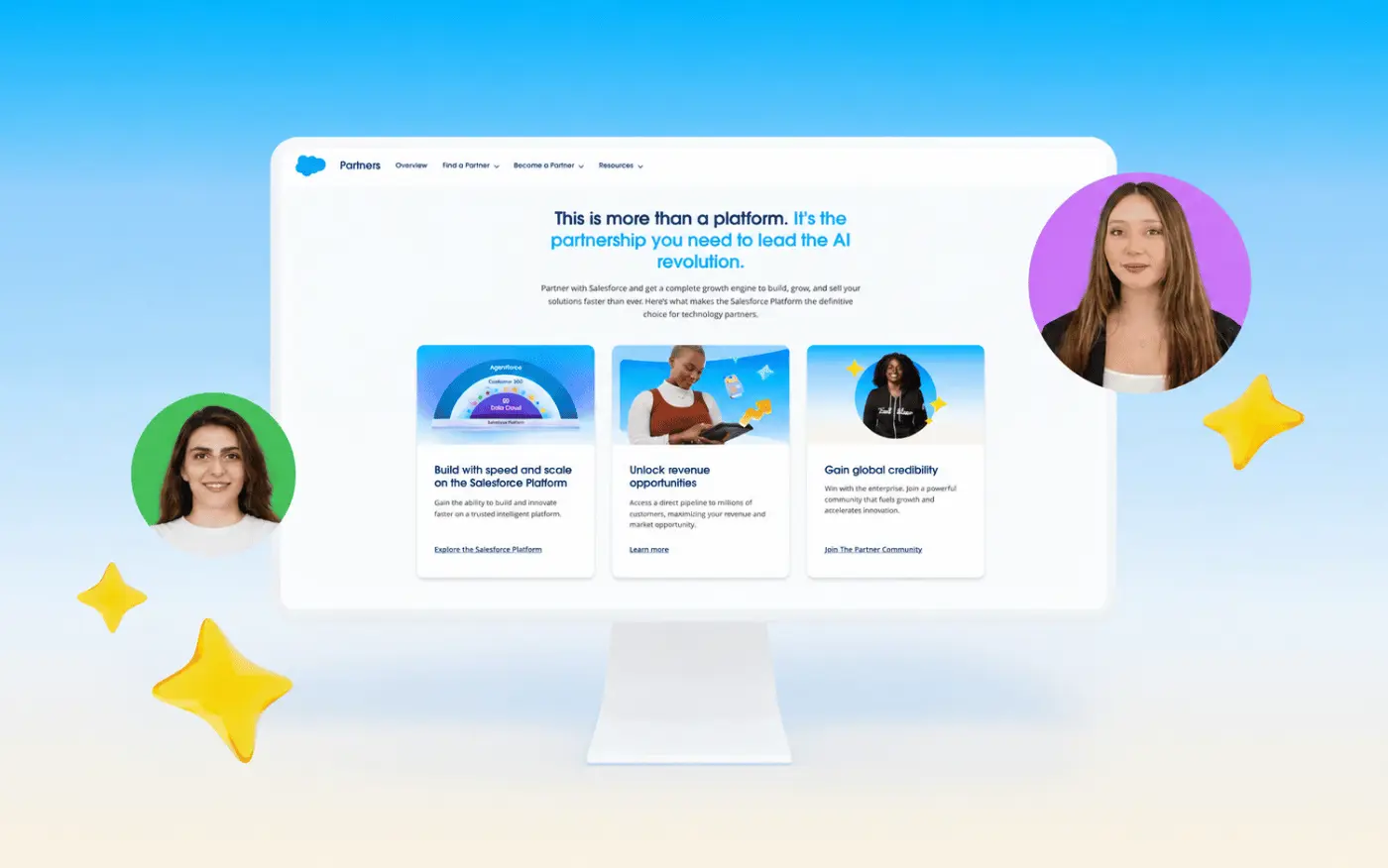
Teams and Agents Build Together with Slack Code
Slack Code takes software development out of private tabs and turns it into a collaborative process in the open with the team. 70% of code channels are opened and closed within a single day.

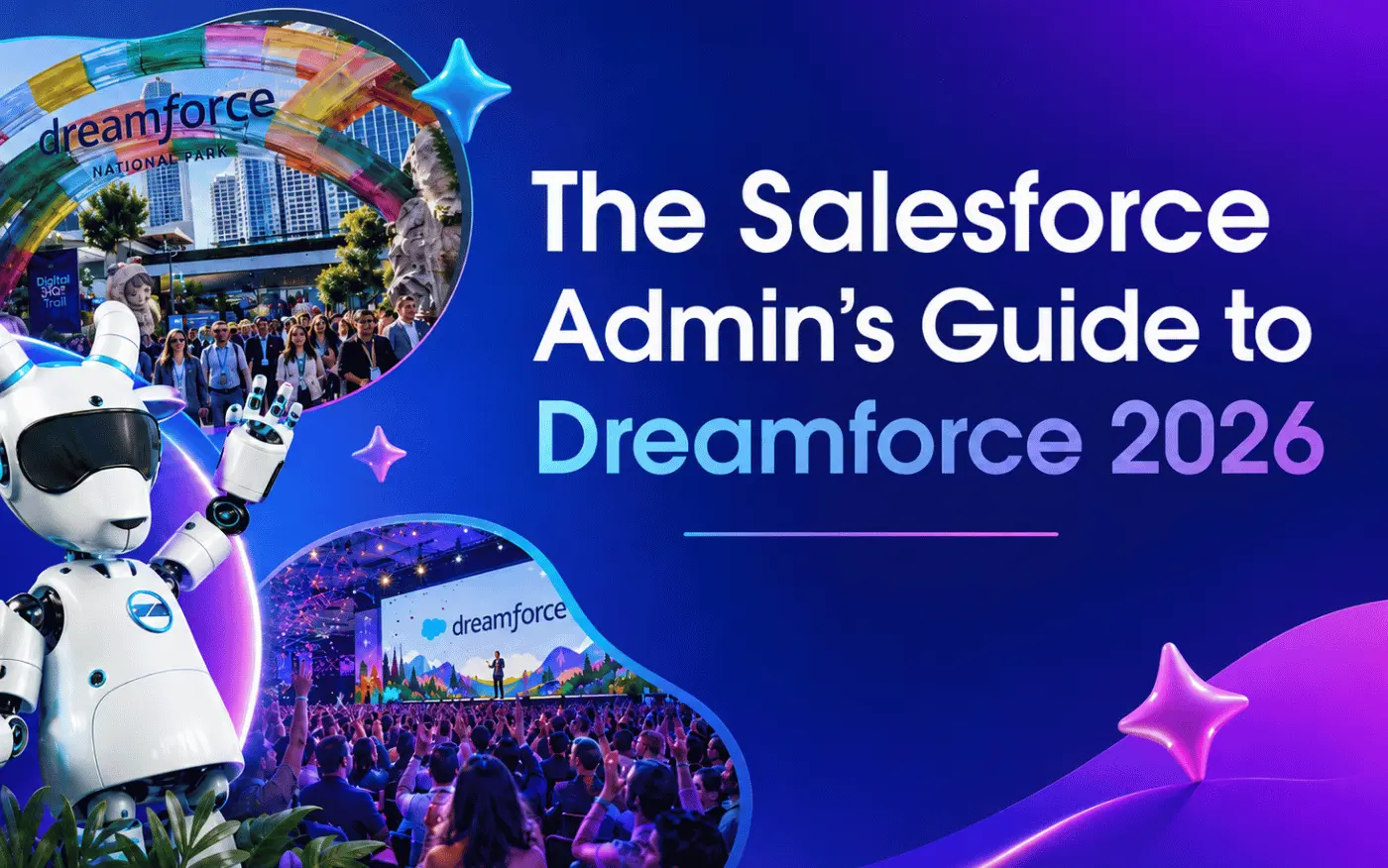
Dreamforce 2026 Preparation Guide
Everything You Need to Know Before Dreamforce 2026, taking place in San Francisco from September 15–17. Sessions, demo areas, registration details, and more.
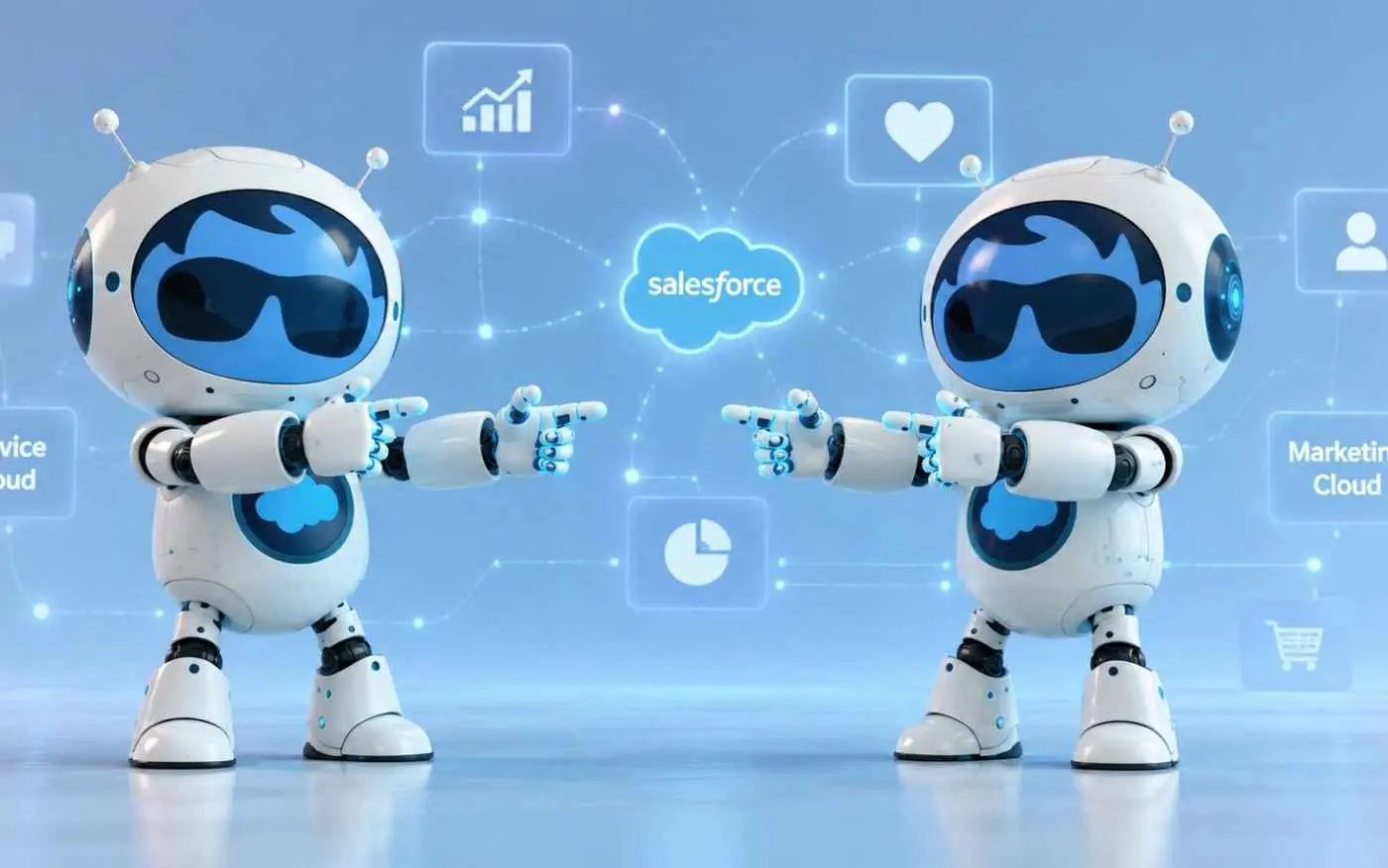
When AI Agents Start Working Together, Who Ensures Trust?
How can companies trust AI agents that negotiate, decide, and transact? Identity, reputation, accountability, and human oversight are key.