












There Is Artificial Intelligence Behind the Scenes of the FIFA World Cup
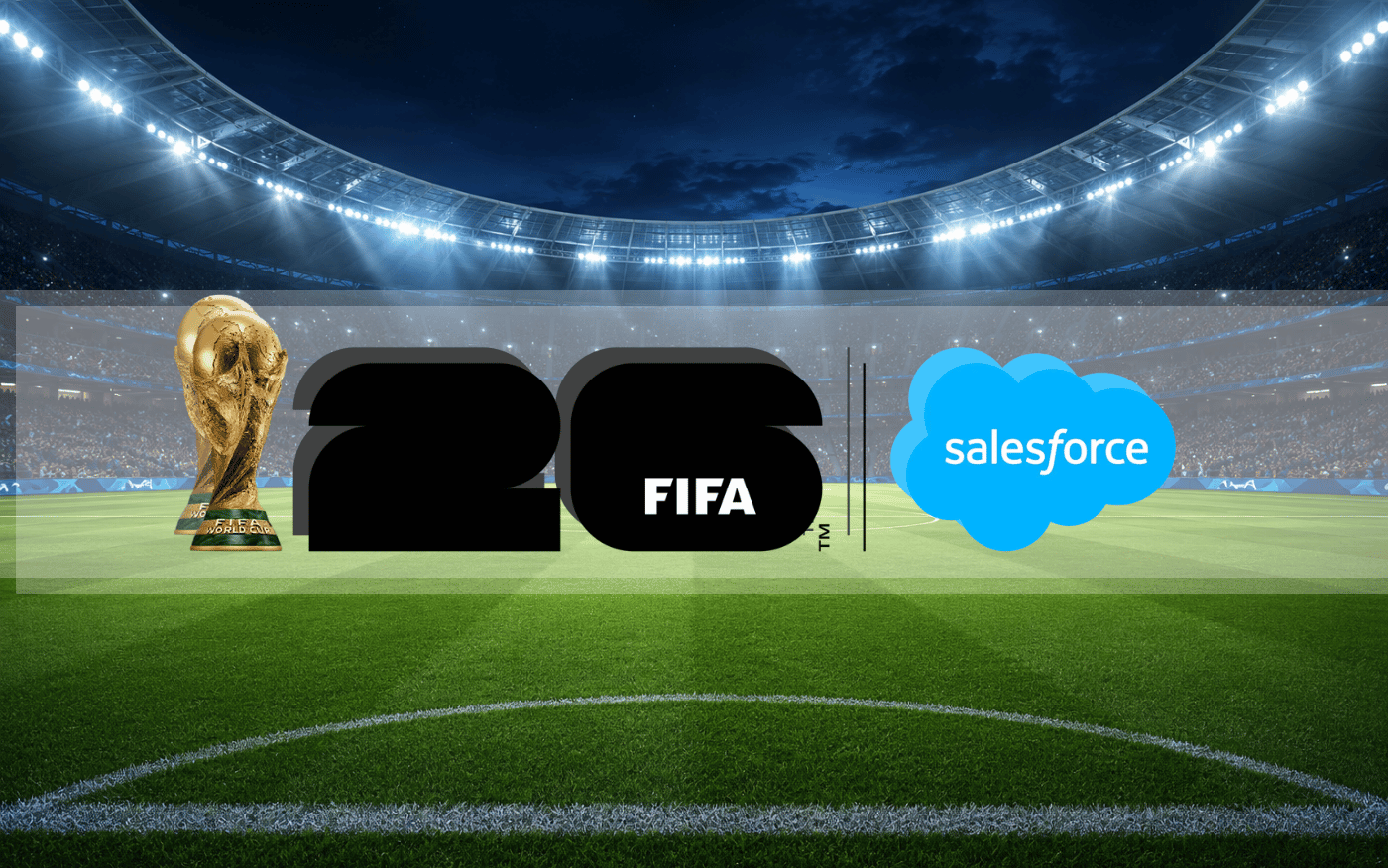
The FIFA World Cup 2026 will be the biggest football tournament in history. 48 teams, 16 host cities, three countries and an expected global audience of more than 5 billion. There is no other moment where the world comes together in a single event at this scale.
So who provides the coordination infrastructure that makes this possible? On June 5, 2026, Salesforce announced that it became an Official Tournament Supporter of the FIFA World Cup 2026 and the FIFA Women’s World Cup 2027. This is not just a sponsorship logo; it means that all operational layers of the tournaments, from workforce management to fan engagement, are being moved onto Agentforce 360 and Slack.
16 Cities, 3 Countries, 1 Platform
Staging a football match is much more complex than it appears from the stands. Thousands of volunteers and employees, dozens of suppliers, global media partners and operations running simultaneously across multiple countries. Everything needs to work at the same time, across different time zones.
The FIFA World Cup 2026 will manage all this coordination through Slack. Here, Slack is not a messaging tool, but the operational backbone that keeps the workforce across 16 cities connected to the same workflows, the same information and the same decision-making mechanisms. All communication with host cities, suppliers and stakeholders is managed through Agentforce Service, Sales and Marketing components.
2026 Manages the Operation, 2027 Touches the Fan
The difference between the two tournaments clearly shows how Salesforce positions artificial intelligence.
At the FIFA World Cup 2026, artificial intelligence works behind the scenes. The focus is operational: workforce coordination, stakeholder communication and supplier management. The fan will not even be aware of it.
At the FIFA Women’s World Cup 2027, however, the agent steps onto the field. In the tournament to be held in Brazil, Agentforce 360 will interact directly with fans across FIFA’s digital platforms. Autonomous agents will process tournament data in real time to deliver a personalized, multi-channel experience for every fan. A system that answers questions, recommends content and instantly shares ticket information; one that works not through human capacity, but through scale.
From F1 to FIFA: The Data on the Scoreboard
This partnership is not Salesforce’s first step in the sports industry. Formula 1 accelerated service response times by 80% with Agentforce. Indiana Fever turned one-time ticket buyers into long-term fans. LIV Golf redesigned the on-course experience with artificial intelligence agents.
But FIFA does not allow for comparison. Simultaneous operations on a global scale, a multilingual audience, dozens of cities across three different countries and billions of viewers. Running this technology test on such a massive stage makes it a reference-level case study for Agentforce.
A Trillion-Dollar Infrastructure, a 90-Minute Experience
The fan sitting in the stands watches the pitch. On the screen, they see goal celebrations. But what now makes that moment possible are artificial intelligence agents: verifying the ticket, answering the question, directing the volunteer to the right place and enabling cross-city coordination within seconds.
The FIFA partnership is a technological showcase for Salesforce. But more importantly, it is a concrete example proving that artificial intelligence in large-scale operations is no longer “a future possibility,” but today’s infrastructure.
The world is watching the pitch. Now we know who is working behind the curtain.
Other Trend Reports
Teams and Agents Build Together with Slack Code
Slack Code takes software development out of private tabs and turns it into a collaborative process in the open with the team. 70% of code channels are opened and closed within a single day.

Dreamforce 2026 Preparation Guide
Everything You Need to Know Before Dreamforce 2026, taking place in San Francisco from September 15–17. Sessions, demo areas, registration details, and more.
When AI Agents Start Working Together, Who Ensures Trust?
How can companies trust AI agents that negotiate, decide, and transact? Identity, reputation, accountability, and human oversight are key.